Struggling to find a trustworthy ATV supplier in China? You worry about quality, delays, and getting cheated. I can show you how to find a great factory partner.
To find reliable ATV suppliers, you should use a mix of online searches, B2B platforms, and trade shows. The most important step is to verify they are a real factory1, not a trading company. You can judge their capability by checking their frame production and assembly lines.
 Finding a name on a website is just the first step. The real work is making sure that supplier is the right partner for your business. I've been in this ATV manufacturing industry for over 10 years right here in Yongkang, the "hardware capital" of China. I've seen many importers make costly mistakes by choosing the wrong partner. But you don't have to be one of them. Let me guide you through the best ways to find and check your next ATV supplier. I want to help you avoid the common problems and build a successful, long-term partnership that grows your business.
What are the best channels to find Chinese ATV suppliers?
You feel overwhelmed by all the supplier options online. Many of them are just traders, not real factories. I'll show you the best places to look for genuine manufacturers.
The best channels are Google, B2B platforms like Alibaba2, and trade shows like the Canton Fair3. Google is a low-cost and effective starting point4. B2B platforms and social media require careful checking. Trade shows are great for meeting top factories but are expensive.
 Choosing the right channel to find your supplier can save you a lot of time and money. Each method has its own good and bad points. Based on my experience helping hundreds of importers, I can tell you what works best. You need a clear strategy to cut through the noise and connect directly with strong, reliable factories. Let's break down the main options you have. I'll share my personal insights on each one to help you decide where to focus your energy.
Google Search
I always recommend starting your search on Google. It's simple, free, and surprisingly effective. You can find a lot of factories this way, including some that don't advertise heavily on other platforms. But you will also find many trading companies. The key is to know how to tell them apart. When you find a potential supplier, your first step is to ask for their company profile and factory videos5. A real factory will be happy to provide these. Then, insist on a video call. I once had a video call with a "factory manager" who was clearly in a small office. I asked him to walk over to the production line. He made an excuse. That's a huge red flag. A real factory is proud to show you their workshop.
B2B Platforms
Websites like Alibaba and Made-in-China are very popular for sourcing products from China. They have a huge selection, and it's easy to search and compare prices. However, these platforms are filled with trading companies that pretend to be factories. They use factory pictures and descriptions, but they don't own the facility. This is a big problem. A trader adds another layer of cost and communication issues. To protect yourself, you must be very skeptical. Ask for their business license to see if their business scope is "production" or just "trading". The best way to verify is to ask for a live video tour of their assembly line6 during working hours. If they refuse or make excuses, you should probably move on.
Trade Shows
Attending a major industry trade show is an excellent way to find top-tier suppliers. The Canton Fair is the most famous one in China, but there are also many specialized motorcycle shows. The biggest advantage is that you can meet the factory owners and sales teams in person7. You can see and touch their ATVs. You can ask detailed questions and judge their professionalism directly. This face-to-face interaction builds trust. But this method is expensive. You have to budget for flights, hotels, visa fees, and the time away from your business. If you are a serious importer with a good budget, I highly recommend visiting at least one major show. It's an investment that can pay off with a great partnership.
| Channel | Pros | Cons | My Advice |
|---|---|---|---|
| Google Search | Free, wide reach, finds hidden gems | Mix of factories & traders, requires vetting | This is the best starting point for everyone. |
| B2B Platforms | Huge selection, easy to compare | Many traders in disguise, high competition | Use it to create a long list, then verify carefully. |
| Trade Shows | Meet real factories, see products, build trust | High cost, time-consuming, geographically limited | Best for serious, high-volume importers with a budget. |
| Social Media | Can find modern suppliers, see company culture | Very hard to verify, many scammers and traders | Use with caution. Good for research, not for initial contact. |
How can you tell if a supplier is a real factory?
You found a potential supplier that looks good on paper. But are they a real factory or just a middleman? Choosing the wrong one can lead to poor quality and higher prices.
To confirm a supplier is a real factory, ask three key questions. Do they make their own frames?8 Do they have their own assembly line?9 Do they have any self-developed parts?10 Positive answers strongly indicate a capable and reliable manufacturer.
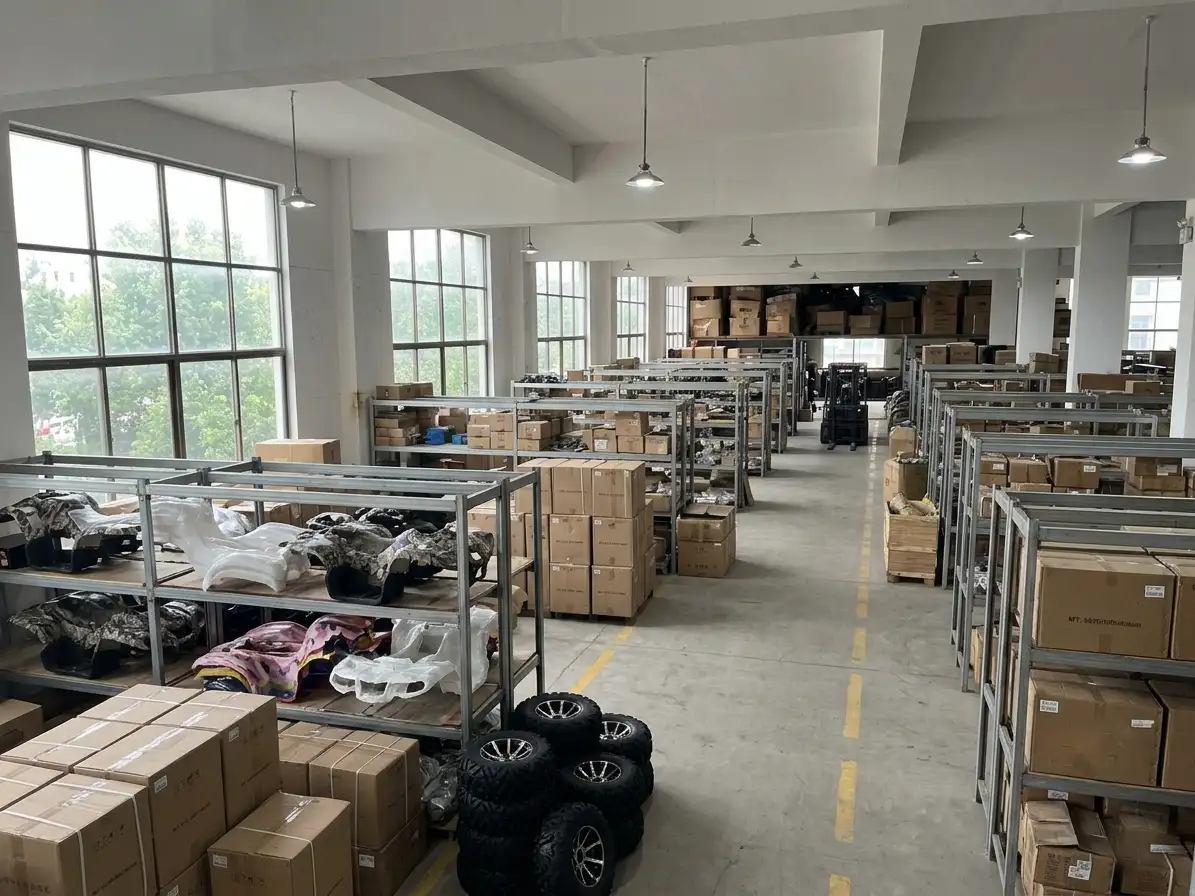 After you have a shortlist of potential suppliers, the next critical phase is verification. You need to dig deeper to separate the real manufacturers from the trading companies. As a factory owner myself, I know exactly what to look for. A real factory has specific assets and capabilities that a trader simply doesn't have. It's not about having a fancy website or a smooth-talking salesperson. It's about having the core infrastructure for production. I will share with you the three most important things I always check for. These three questions will give you a clear picture of the supplier's true identity and capabilities.
Check for In-House Frame Production11
The frame is the skeleton of the ATV. It is the most critical structural component. So, the first question I always ask a potential partner is, "Do you produce your own frames?" If the answer is yes, it's a very positive sign. A factory that invests in frame welding and fabrication has serious manufacturing capabilities. It shows they have control over the most important part of the vehicle's design and structural integrity. This almost always leads to better overall quality, better handling, and a more coordinated final product. A supplier that buys frames from another factory has less control over quality and is more likely to have production delays if their frame supplier has problems. In our factory, we've always made our own frames because it's the only way to guarantee the quality we promise our customers.
Look for a Dedicated Assembly Line12
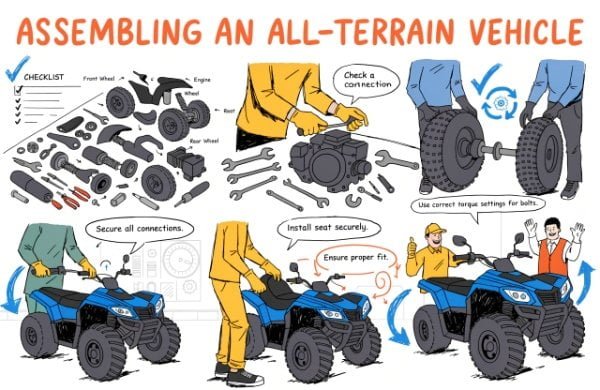
A real factory must have its own assembly line. This seems obvious, but many trading companies will try to fool you. They might have a small workshop where they do some minor assembly, but that is not a real production line. When you do a video call, ask them to walk you through their assembly line from start to finish. You should see a clear, organized process. You should see workers at different stations, each performing a specific task. A busy and orderly assembly line tells you two things. First, it proves they have stable and consistent orders. Second, it shows they have a standardized process for building the ATVs13. This standardization is absolutely essential for stable and predictable quality. Every vehicle that comes off our line goes through the same checks at the same points, which is why we can maintain our quality standards.
Ask About Self-Developed Parts14
Many factories simply assemble standard parts that they buy from various other suppliers. This is a common practice. But the best factories, the ones you want to partner with, invest in their own research and development (R&D)15. Ask the supplier, "Do you have any parts that you designed and developed yourselves?" They might have a unique engine component, a patented suspension design16, or a more durable plastic body kit. This is a powerful indicator of their technical expertise and commitment to the industry. It shows they are not just assemblers; they are innovators. Furthermore, these self-developed parts are often of a higher quality than the generic parts available on the market, because the factory designed them to solve a specific problem or improve performance. It's a clear sign you are dealing with a top-tier supplier.
Conclusion
Finding a reliable ATV supplier is simple. Use the right channels, ask the right questions about frames and assembly lines, and always verify. This strategy helps you build a strong, profitable partnership.
Ensuring your supplier is a genuine factory prevents quality issues and middleman costs, securing a more reliable partnership. ↩
B2B platforms offer a vast selection but require careful vetting to avoid traders posing as manufacturers. ↩
Trade shows provide direct interaction with suppliers, allowing for trust-building and firsthand product evaluation. ↩
Google offers a wide reach and can uncover hidden gems among suppliers, making it a valuable starting point. ↩
These materials help verify the legitimacy and capabilities of a supplier, ensuring they are a real factory. ↩
A live tour confirms the supplier's production capabilities and authenticity, ensuring they are not just a trading company. ↩
Personal meetings build trust and allow for detailed discussions, enhancing supplier relationships. ↩
In-house frame production indicates strong manufacturing capabilities and control over product quality. ↩
A dedicated assembly line ensures consistent quality and production efficiency, vital for reliable suppliers. ↩
Self-developed parts show innovation and technical expertise, indicating a supplier's commitment to quality. ↩
In-house production ensures better quality control and structural integrity, leading to superior ATVs. ↩
A dedicated line ensures standardized processes, leading to consistent quality and reliable production. ↩
Standardization ensures consistent quality and efficiency, vital for maintaining high production standards. ↩
These parts reflect innovation and higher quality, showcasing a supplier's expertise and industry leadership. ↩
R&D drives innovation, leading to unique, high-quality products and showcasing a supplier's industry commitment. ↩
Patented designs offer unique advantages in performance and durability, highlighting a supplier's innovation. ↩