Many ATV buyers face the frustration of unreliable vehicles that break down frequently and cost a fortune in repairs. A high-quality ATV can make all the difference between years of enjoyable riding and constant headaches.
A high-quality ATV is characterized by four key components: a well-engineered frame, reliable engine from reputable manufacturers1, customized suspension system2, and durable core components3 like the rear axle system4. These elements work together to ensure performance and longevity.
After 10 years of manufacturing ATVs5, I've learned that quality isn't just about fancy features - it's about getting the fundamentals right. Let's break down what truly matters when evaluating ATV quality.
How Important is the ATV Frame Quality?
Poor frame construction can lead to dangerous cracks, misaligned components, and premature wear. I've seen countless ATVs fail simply because manufacturers cut corners on the frame.
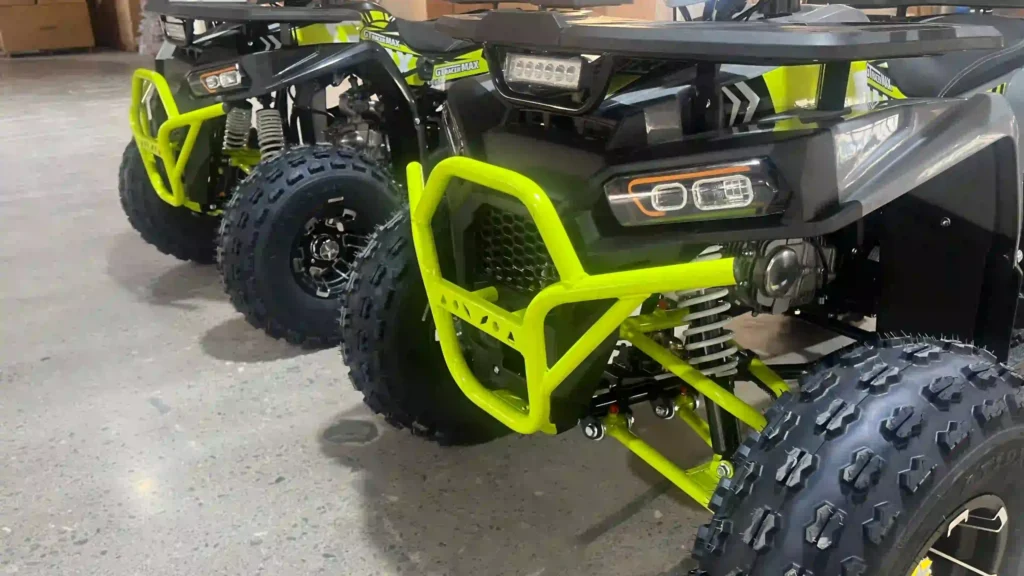
A high-quality ATV frame should be manufactured in-house using precision welding6 and premium materials. This ensures better overall vehicle coordination, structural integrity, and perfect fitment of all components.
The frame is literally the backbone of any ATV. In our factory, we've invested heavily in advanced welding equipment and skilled technicians to ensure every frame meets strict quality standards. Here's what makes a quality frame:
Frame Construction Specifications
- Material: High-strength steel tubing with precise wall thickness
- Welding: Robotic welding for consistency
- Testing: Load testing and stress analysis
- Design: CAD-engineered for optimal weight distribution
Quality Control Measures
- X-ray inspection of critical weld points
- Alignment checking with laser measurement
- Coating process for corrosion resistance
- Impact and fatigue testing
Why Does Engine Selection Matter in ATVs?
I've witnessed countless ATV failures due to poor engine quality. Nothing ruins an off-road adventure faster than an engine breakdown in remote terrain.
A quality ATV should use engines from established manufacturers like Loncin, Zongshen, or Yinxiang7. These engines have proven reliability through extensive market testing and offer consistent performance with excellent durability.
The engine is the heart of any ATV, and choosing the right one involves careful consideration of several factors:
Engine Evaluation Criteria
| Factor | Importance | What to Look For |
|---|---|---|
| Brand Reputation | High | Market presence, service network |
| Performance History | Critical | Real-world testing results |
| Maintenance Requirements | Medium | Service intervals, parts availability |
| Environmental Standards | Important | Emissions compliance, efficiency |
Our experience shows that reputable engine manufacturers invest heavily in R&D and quality control, resulting in:
- Consistent power delivery
- Better fuel efficiency
- Lower maintenance costs
- Longer service life
- Better resale value
What Role Does Suspension Play in ATV Quality?
A poorly designed suspension system can turn even smooth trails into bone-jarring nightmares. I've seen riders give up the sport entirely due to uncomfortable riding experiences.
Quality ATVs feature customized suspension system2s designed specifically for their model's weight, usage patterns, and performance requirements. These systems are typically sourced from specialized manufacturers with proven track records.
The suspension system is crucial for both comfort and control. Our approach to suspension quality includes:
Suspension Components Analysis
- Shock absorbers: Custom-tuned for specific models
- Springs: Progressive rate design for versatility
- Mounting points: Reinforced for durability
- Adjustability: Multiple settings for different conditions
We work closely with suspension manufacturers to develop:
- Model-specific damping rates
- Appropriate spring rates
- Optimal travel distances
- Proper mounting geometry
How Do Core Components Affect Overall ATV Quality?
One weak link in the core components can compromise the entire vehicle's reliability. This is especially true for heavily stressed parts like the rear axle system4.
High-quality ATVs incorporate robust core components, particularly in the rear axle system4, which must handle significant torque and impact loads. These components should be engineered for durability and serviceability.
Core components require special attention because they're critical to vehicle operation. Our quality assurance process focuses on:
Critical Components Review
| Component | Quality Indicators | Impact on Performance |
|---|---|---|
| Rear Axle | Material strength, bearing quality | Durability, power transfer |
| Braking System | Pad material, hydraulic integrity | Safety, control |
| Transmission | Gear precision, case strength | Reliability, efficiency |
| Steering System | Component alignment, bearing quality | Handling, safety |
Conclusion
A high-quality ATV results from careful attention to frame construction, engine selection, suspension design, and core component engineering. When these elements work together harmoniously, you get a reliable, enjoyable vehicle that lasts for years.
Choosing an ATV with a reliable engine ensures consistent performance and reduces the risk of breakdowns during your adventures. ↩
A customized suspension system enhances comfort and control, making your riding experience more enjoyable and less jarring. ↩
Durable core components are essential for the longevity and reliability of your ATV, especially under stress and impact. ↩
A robust rear axle system is vital for handling torque and impact loads, ensuring durability and efficient power transfer. ↩
Explore this link to understand the essential practices in ATV manufacturing that lead to durable and high-performing vehicles. ↩
Precision welding ensures the frame's structural integrity, reducing the risk of dangerous cracks and misalignment. ↩
These manufacturers are known for their reliability and extensive market testing, offering engines that deliver consistent performance. ↩